रक्षाबंधन केवल भाई-बहन के पवित्र रिश्ते का पर्व नहीं है, बल्कि यह विश्वास,
सुरक्षा, समर्पण और रिश्तों को मजबूत करने का प्रतीक भी है। इसी भावना को संगठन
के साथ जोड़ते हुए आज आवश्यकता है कि हम सभी अधिकारी एवं कर्मचारी अपने
संगठनात्मक रिश्तों का आत्ममंथन करें और उस संगठन को मजबूत बनाने के लिए पुनः
एकजुट हों, जिसने कठिन समय में हमारे हितों की आवाज को मजबूती से उठाया है।
1. संगठन भी राखी के धागे की तरह होता है
जिस प्रकार अनेक छोटे-छोटे धागे मिलकर एक मजबूत राखी का निर्माण करते हैं,
उसी प्रकार अनेक अधिकारी एवं कर्मचारी मिलकर एक मजबूत संगठन का निर्माण करते हैं।
अकेला व्यक्ति अपनी बात सीमित स्तर तक रख सकता है, लेकिन संगठित आवाज प्रशासन
और सरकार के सर्वोच्च स्तर तक प्रभावी ढंग से पहुंच सकती है।
2. BBOA – राष्ट्रीय विचारधारा का योगदान याद रखना होगा
भारतीय BSNL ऑफिसर्स एसोसिएशन (BBOA) – राष्ट्रीय विचारधारा ने अपने सक्रिय
कार्यकाल में अधिकारियों एवं कर्मचारियों के हितों से जुड़े अनेक महत्वपूर्ण
विषयों को निरंतर उठाया है। चाहे प्रमोशन, वेतन, भत्ते, सेवा-संबंधी अधिकार
अथवा अन्य वैधानिक लाभों का विषय रहा हो, संगठन ने अपनी भूमिका निभाने का
प्रयास किया है।
कई बार संगठन द्वारा किए गए कार्यों की पूरी जानकारी प्रत्येक कर्मचारी तक
नहीं पहुंच पाती। सैकड़ों अधिकारियों को ई-मेल, पत्राचार एवं अभ्यावेदन के
माध्यम से विषयों की जानकारी दी गई तथा अनेक मामलों को प्रशासन एवं भारत
सरकार के शीर्ष स्तर तक पहुंचाया गया।
3. सक्रिय संगठन की शक्ति का परिणाम दिखाई देता है
जब संगठन सक्रिय रहता है और अधिकारियों की सामूहिक आवाज मजबूती से उठती है,
तो नीतिगत एवं सेवा-संबंधी मामलों में सकारात्मक परिणाम प्राप्त करने की
संभावना बढ़ जाती है। इसके विपरीत संगठनात्मक सक्रियता कमजोर पड़ने पर
कर्मचारियों के वैधानिक एवं सेवा-संबंधी हितों को प्रभावी ढंग से उठाना
कठिन हो जाता है।
इसलिए आज आवश्यकता किसी व्यक्ति या किसी अन्य संगठन की आलोचना करने की नहीं,
बल्कि अपने पिछले अनुभवों से सीख लेकर सामूहिक रूप से आगे बढ़ने की है।
4. पद से अधिक महत्वपूर्ण है निःस्वार्थ सेवा
संगठन का उद्देश्य केवल पद प्राप्त करना, सदस्य संख्या बढ़ाना या व्यक्तिगत
कार्य करवाना नहीं होना चाहिए। सच्चे संगठन की पहचान उसकी निःस्वार्थ सेवा,
संघर्ष, पारदर्शिता और अपने सदस्यों के हितों के प्रति प्रतिबद्धता से होती है।
जो अधिकारी किसी संगठन के माध्यम से लाभ प्राप्त करने के बाद किसी अन्य संगठन
में चले गए हैं, उनसे भी यही अपेक्षा है कि वे व्यक्तिगत अनुभवों के आधार पर
निष्पक्ष आत्ममंथन करें और देखें कि वास्तव में कौन-सा संगठन कर्मचारीहित में
निःस्वार्थ भाव से कार्य करता रहा है।
5. भटकाव नहीं, पुनः एकजुट होने का समय
कई अधिकारी विभिन्न संगठनों से जुड़े, कुछ ने बड़े पद भी संभाले और समय के
साथ पुनः पुराने संगठनों में चले गए। यह किसी व्यक्ति की आलोचना का विषय
नहीं है। यह हम सभी के लिए आत्ममंथन का विषय है कि संगठन का उद्देश्य क्या
होना चाहिए और हमारी सामूहिक प्राथमिकता क्या होनी चाहिए।
यदि किसी संगठन से अधिकारियों को पूर्व में लाभ मिला है, तो उसके योगदान को
भूलना उचित नहीं होगा। समय की मांग है कि व्यक्तिगत मतभेदों से ऊपर उठकर
कर्मचारीहित के लिए पुनः एकजुट हुआ जाए।
6. प्रशासन से भी अपेक्षा—नीतियों के अनुसार निष्पक्ष कार्यवाही
BSNL की वर्तमान अथवा भविष्य की परिस्थितियां चाहे जैसी हों, प्रशासन को
दूरसंचार विभाग की नीतियों, नियमों एवं वैधानिक प्रावधानों के अनुसार
निष्पक्ष कार्यवाही करनी चाहिए। संगठन का उद्देश्य टकराव पैदा करना नहीं,
बल्कि तथ्यों, नियमों और उचित तर्कों के आधार पर नीतिगत सुधार के लिए
प्रभावी एवं लोकतांत्रिक आवाज उठाना है।
7. 26 वर्षों से किसी संगठन के सदस्य न रहे अधिकारियों की भावना भी महत्वपूर्ण है
कुछ अधिकारियों ने अपनी भावना व्यक्त करते हुए कहा कि वे लगभग 26 वर्षों से
किसी संगठन के सदस्य नहीं रहे, लेकिन अब वे ऐसे संगठन से जुड़ना चाहते हैं
जो वास्तव में व्यक्तिगत स्वार्थ से ऊपर उठकर निःस्वार्थ सेवा एवं सामूहिक
कर्मचारीहित को प्राथमिकता देता हो।
यह भावना बताती है कि आज भी अधिकारियों के बीच ऐसे संगठन की आवश्यकता है,
जिस पर वे विश्वास कर सकें और जिसके माध्यम से अपनी सामूहिक आवाज को मजबूत
बना सकें।
8. BBOA की सोच केवल व्यक्तिगत मांगों तक सीमित नहीं
BBOA – राष्ट्रीय विचारधारा की सोच केवल व्यक्तिगत कार्यों अथवा सीमित
सेवा-संबंधी मांगों तक सीमित नहीं होनी चाहिए। संगठन का प्रयास होना चाहिए
कि BSNL को मजबूत, सक्षम एवं आत्मनिर्भर बनाया जाए और देश की दूरसंचार
सुरक्षा एवं रणनीतिक आवश्यकताओं को सर्वोच्च प्राथमिकता दी जाए।
इसी व्यापक राष्ट्रीय दृष्टिकोण के अंतर्गत BSNL एवं MTNL से संबंधित
नीतिगत विषयों को भी सरकार के समक्ष उचित तथ्यों एवं सुझावों के साथ
रखा जा सकता है।
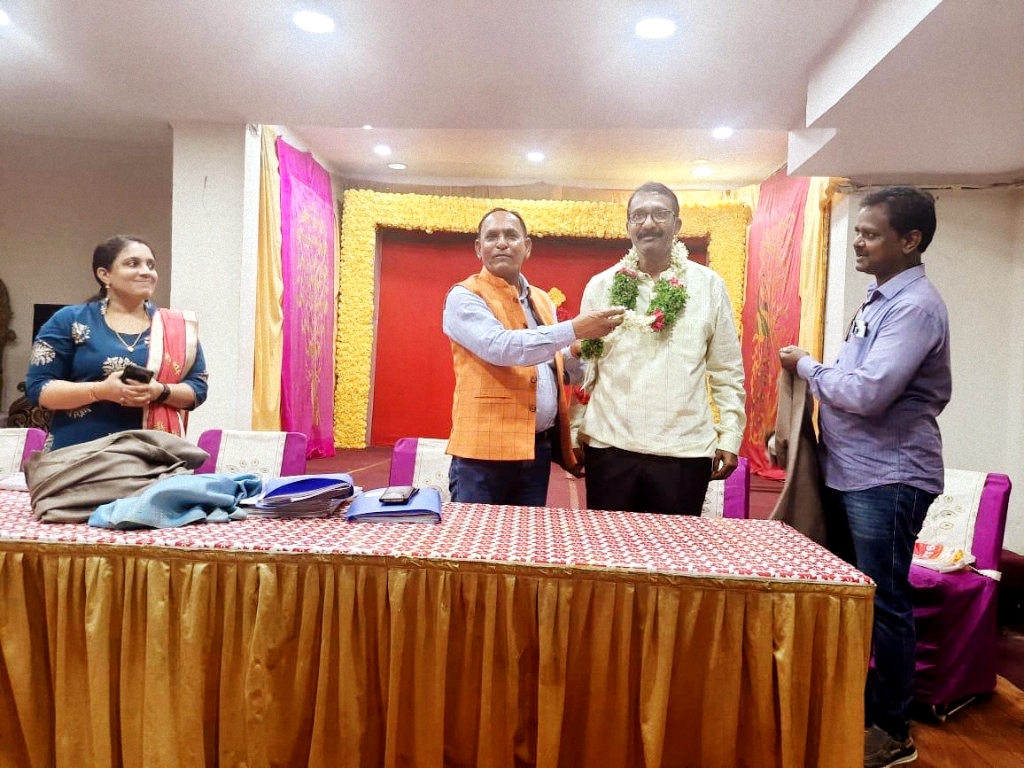
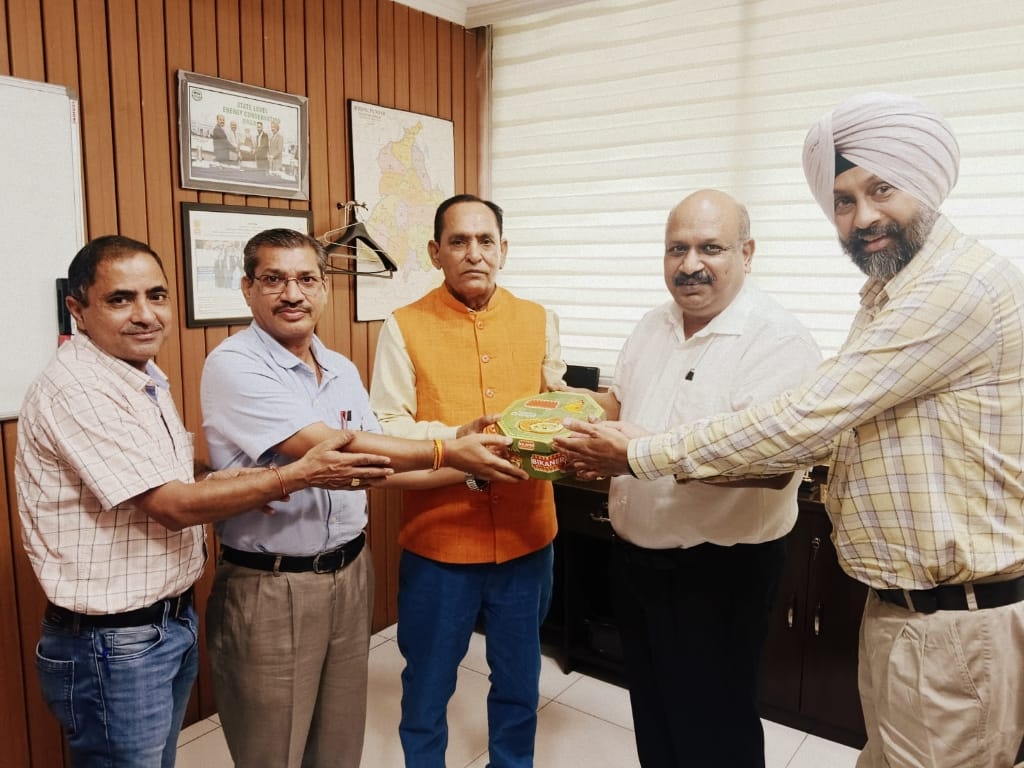
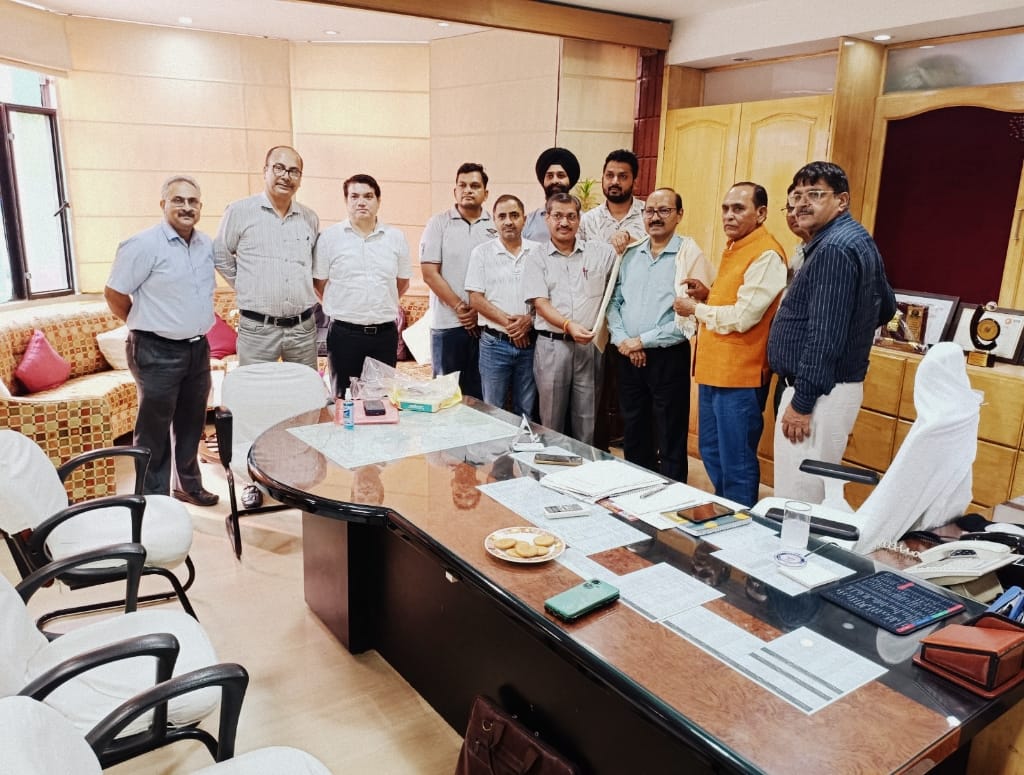
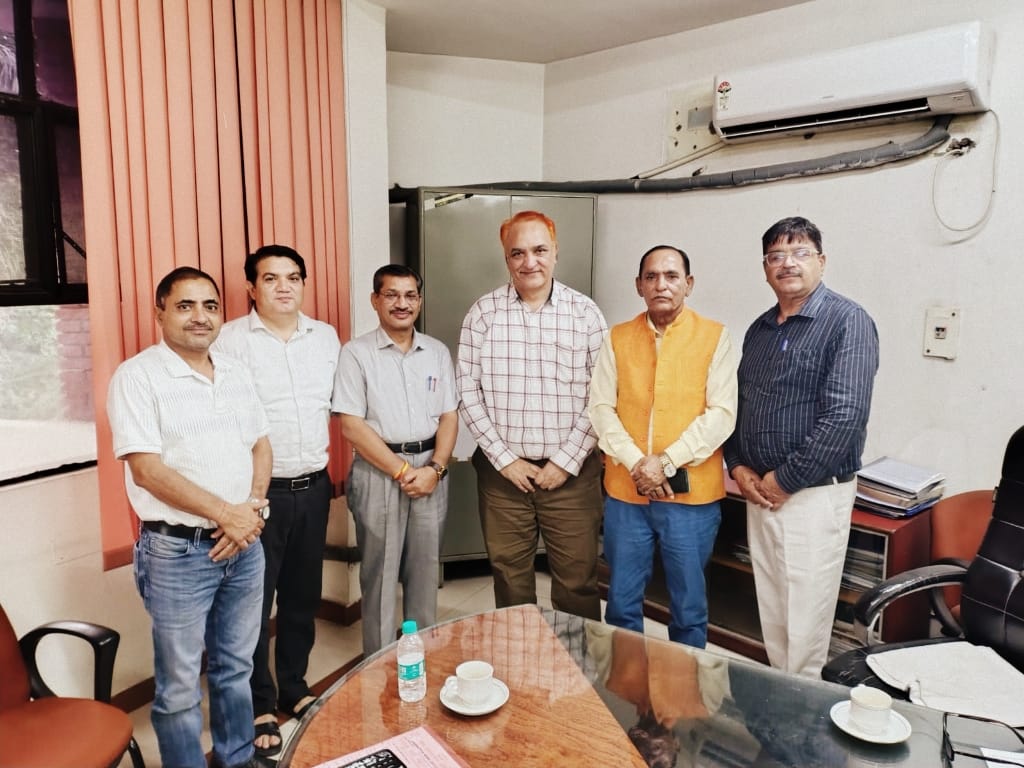
9. अगस्त 2026 की महत्वपूर्ण पहल—नीतिगत मामलों को सर्वोच्च स्तर तक ले जाने का संदेश
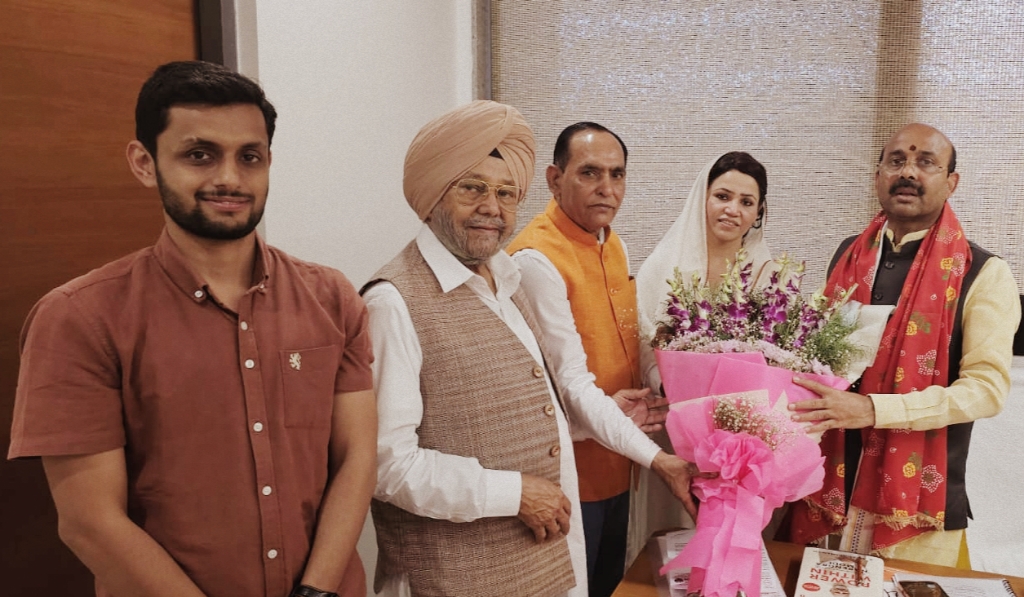
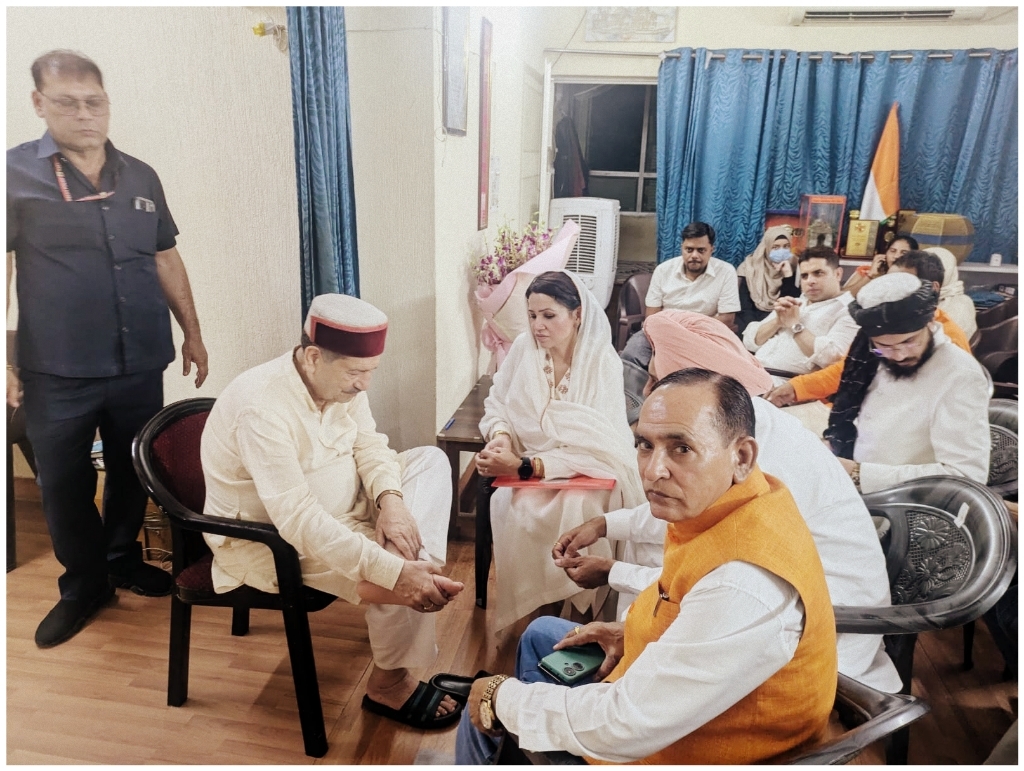
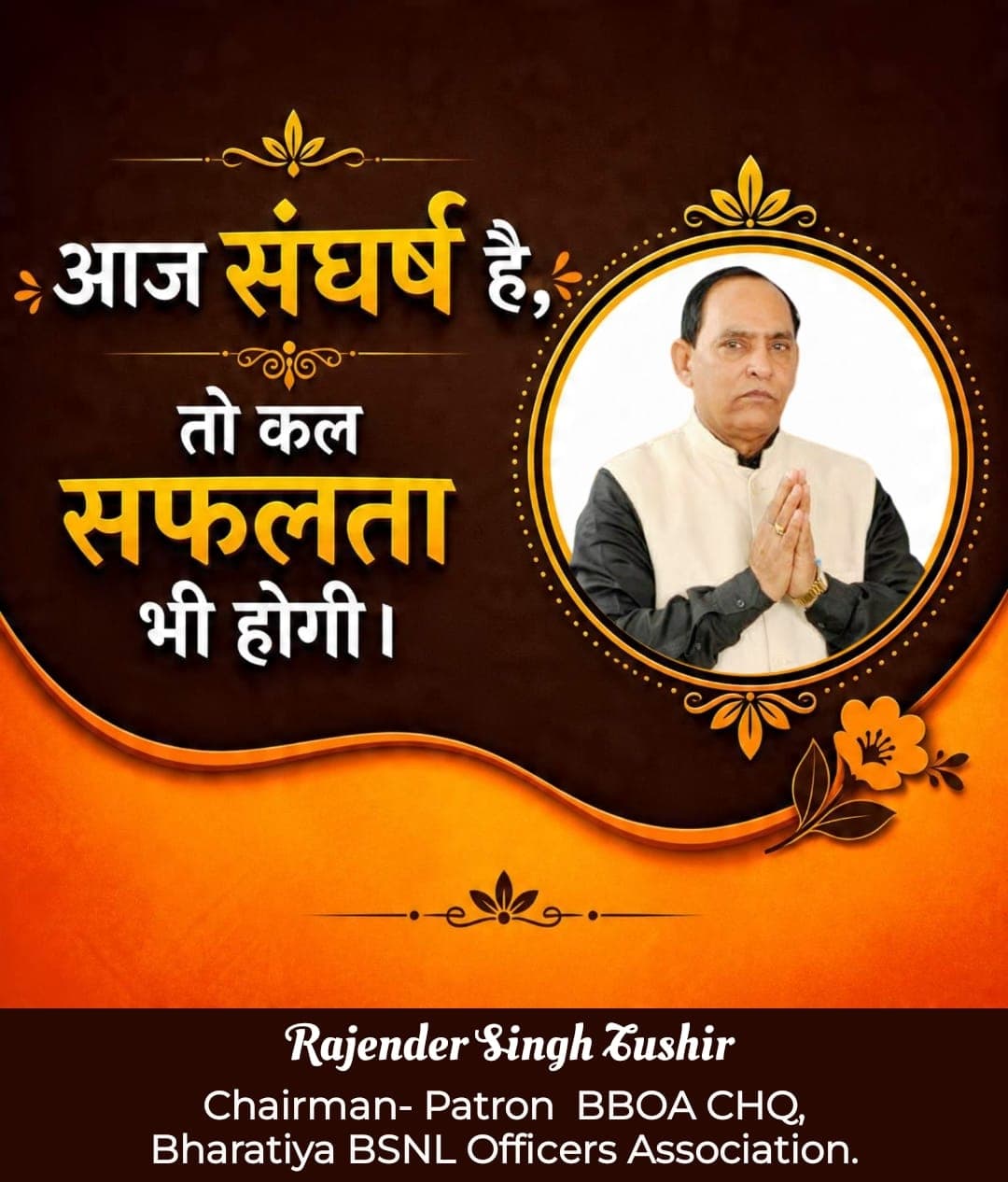
इसी अगस्त 2026 में राजेंद्र सिंह तुसीर एवं BBOA के अन्य पदाधिकारियों ने
माननीय पूर्व संचार मंत्री जी से मुलाकात की। इस दौरान एक महत्वपूर्ण एवं
स्पष्ट संदेश प्राप्त हुआ कि व्यक्तिगत कार्यों की अपेक्षा विभाग, BSNL तथा
अधिकारियों-कर्मचारियों से जुड़े नीतिगत मामलों को प्राथमिकता दी जाए और
उन्हें लिखित रूप में तथ्यों एवं उचित प्रस्ताव के साथ प्रस्तुत किया जाए।
माननीय पूर्व संचार मंत्री जी ने यह भी कहा कि नीतिगत विषयों को उचित ढंग
से लिखित रूप में प्रस्तुत करने पर उनमें आवश्यक सुधार कराने की दिशा में
प्रयास किया जा सकता है। इनमें तीसरे वेतन संशोधन/Third Pay Revision
(3rd PRC) को लागू कराने सहित अन्य लंबित नीतिगत एवं कर्मचारीहित के
विषय शामिल हैं।
10. BBOA के लेटरहेड की अपनी एक कार्यात्मक पहचान रही है
यह भी उल्लेखनीय है कि BBOA के इसी लेटरहेड के माध्यम से पूर्व में अनेक
महत्वपूर्ण कर्मचारीहित एवं नीतिगत विषय भारत सरकार के शीर्ष स्तर तक
पहुंचाए गए और उनके समाधान के लिए प्रयास किए गए।
अर्थात हमारे पास केवल संगठन का नाम नहीं, बल्कि एक कार्यशील मंच, अनुभव
और पूर्व प्रयासों की विरासत भी है। आवश्यकता है कि उस अनुभव को वर्तमान
परिस्थितियों के अनुरूप पुनः सक्रिय किया जाए।
11. अब व्यक्तिगत नहीं, नीतिगत संघर्ष की आवश्यकता है
आज हमें यह तय करना होगा कि हमारी प्राथमिकता क्या हो—व्यक्तिगत कार्य
अथवा सामूहिक नीतिगत अधिकार। यदि हम नीतिगत विषयों को संगठित होकर
तथ्यपूर्ण तरीके से सरकार के सामने रखते हैं, तो 3rd PRC, सेवा-संबंधी
अधिकारों तथा अन्य लंबित कर्मचारीहित के विषयों पर प्रभावी पहल की जा सकती है।
12. पुराने साथियों से विशेष अपील
जो अधिकारी एवं पदाधिकारी कभी BBOA – राष्ट्रीय विचारधारा के साथ जुड़े
रहे हैं, जिन्होंने संगठन की कार्यशैली को देखा है और संगठन के माध्यम से
लाभ एवं सहयोग प्राप्त किया है, उनसे विशेष आग्रह है कि वे पुनः अपने
मूल संगठन का साथ दें।
आपका अनुभव, आपका सहयोग और आपकी सक्रियता संगठन की सबसे बड़ी पूंजी है।
पिछले वर्षों में जो नुकसान हुआ है, उसकी भरपाई व्यक्तिगत प्रयासों से
नहीं, बल्कि सामूहिक एकजुटता से ही संभव है।
13. जो कभी किसी संगठन से नहीं जुड़े, वे भी आगे आएं
और वे अधिकारी एवं कर्मचारी जिन्होंने कभी किसी संगठन की सदस्यता नहीं ली,
लेकिन निःस्वार्थ सेवा, पारदर्शी कार्यशैली और वास्तविक कर्मचारीहित में
विश्वास रखते हैं, उनके लिए भी BBOA – राष्ट्रीय विचारधारा का द्वार खुला है।
यह संगठन किसी व्यक्ति विशेष का नहीं, बल्कि सामूहिक हित, संगठनात्मक
एकता और राष्ट्रीय विचारधारा के आधार पर कार्य करने का मंच होना चाहिए।
14. निष्कर्ष—इस रक्षाबंधन पर एक नया संगठनात्मक संकल्प
आइए, इस रक्षाबंधन की पूर्व संध्या पर हम एक ऐसा संकल्प लें, जिसमें
संगठन भी राखी के धागे की तरह हमें एक-दूसरे से जोड़े।
-
हम पद के लिए नहीं, निःस्वार्थ सेवा के लिए संगठन से जुड़ेंगे।
-
हम व्यक्तिगत स्वार्थ से ऊपर उठकर सामूहिक हित को प्राथमिकता देंगे।
-
हम अपने संगठन के पूर्व योगदान को नहीं भूलेंगे।
-
हम वैधानिक एवं सेवा-संबंधी अधिकारों के लिए एकजुट रहेंगे।
-
हम व्यक्तिगत मांगों के बजाय नीतिगत मामलों को प्राथमिकता देंगे।
-
हम 3rd PRC सहित लंबित नीतिगत विषयों को उचित तथ्यों एवं प्रस्तावों
के साथ सर्वोच्च स्तर तक उठाएंगे।
-
और हम BSNL, दूरसंचार क्षेत्र तथा देश के राष्ट्रीय हित को अपनी
प्राथमिकता में रखेंगे।
आज आवश्यकता केवल सदस्य बनने की नहीं, बल्कि संगठन के साथ दिल से
खड़े होने की है।
जो संगठन के माध्यम से लाभ प्राप्त कर चुके हैं, वे उसके संघर्ष को भी
याद रखें। जो दूर रहे हैं, वे अब आगे आएं। जो चले गए हैं, वे पुनः लौटें।
और जो निःस्वार्थ सेवा में विश्वास रखते हैं, वे इस संगठन की शक्ति बनें।
आइए, 27 अगस्त 2026 को केवल रक्षाबंधन की पूर्व संध्या नहीं, बल्कि
BBOA – राष्ट्रीय विचारधारा की पुनः सक्रियता, एकता और नीतिगत संघर्ष
का नया अध्याय बनाएं।
“एक धागा—एक विश्वास—एक संगठन—एक सामूहिक शक्ति।”
BBOA – राष्ट्रीय विचारधारा
निःस्वार्थ सेवा • संगठनात्मक एकता • कर्मचारी हित •
नीतिगत सुधार • राष्ट्रीय हित




.jpeg)
.jpeg)
.jpeg)


.jpeg)
.jpeg)
.jpeg)

.jpeg)
.jpeg)
.jpeg)
.jpeg)
.jpeg)
.jpeg)
